
Ultimate Fence Post Repair Products For DIY Enthusiasts
Get the best tools and materials to handle fence post repairs efficiently and with professional results.
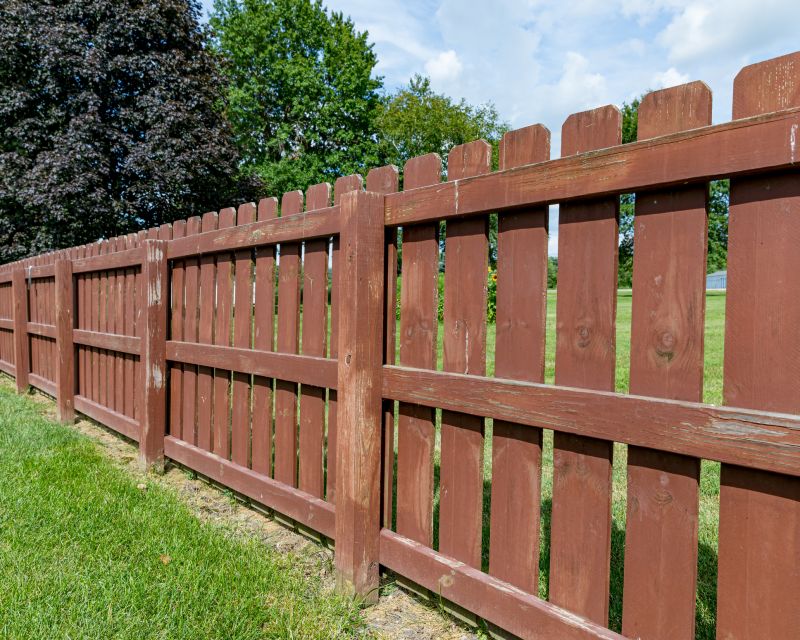 Maintaining a sturdy and durable fence often involves addressing issues with damaged or weakened fence posts. Over time, posts can become loose, rotten, or cracked due to weather exposure, soil conditions, or age. Repairing fence posts effectively requires selecting appropriate products that provide stability and longevity. Whether you are fixing a single post or undertaking a larger fence repair project, understanding the variety of repair options available can help ensure a secure and lasting solution.
Top Overall Option
Concrete Post Repair Kit
A versatile concrete-based repair kit offers a durable and stable solution for fixing damaged or loose fence posts. These kits typically include quick-setting concrete, mixing tools, and sometimes reinforcement accessories. They are suitable for a variety of post sizes and are designed to create a solid foundation that can withstand weather and soil conditions, providing a long-lasting repair. Proper application involves removing decayed material, setting the post in the prepared hole, and filling with the concrete mix, ensuring the post remains upright during curing. This approach is ideal for those seeking a reliable, professional-grade repair that can restore the integrity of a fence quickly and effectively.
Types of Products For Fence Post Repairs
Concrete Repair Mix
Pre-mixed or dry mix concrete formulations designed specifically for fence post repairs, offering strong and durable support.
Post Anchors and Brackets
Metal or plastic anchors and brackets used to stabilize loose or leaning posts, providing immediate support.
Epoxy and Crack Fillers
Epoxy compounds and fillers that bond and reinforce cracked or rotted posts, restoring structural integrity.
Wood Replacement Posts
Pre-cut or custom-cut wooden posts designed for replacing damaged sections of fencing.
Composite Fence Posts
Durable composite or vinyl posts that resist rot, pests, and weathering, suitable for replacing older wood posts.
Post Sleeves and Wraps
Protective sleeves or wraps that reinforce existing posts and extend their lifespan.
Adjustable Post Supports
Supports that allow for leveling and stabilizing posts during installation or repair.
Soil Stabilizers
Products that improve soil conditions around fence posts to prevent shifting and settling.
Gravel and Drainage Materials
Materials used to improve drainage around fence posts, reducing moisture-related decay.
Metal Post Reinforcements
Steel or metal reinforcements that strengthen existing posts or serve as internal supports.
Polyurethane Foam Fillers
Foam products used to fill voids and stabilize posts, providing added support and insulation.
Hydraulic Post Drivers
Tools that assist in driving posts into the ground without the need for manual labor.
Bolt-Down Post Bases
Bases that allow posts to be bolted securely to concrete or other surfaces for added stability.
Rot-Resistant Wood Treatments
Preservative treatments that extend the life of wooden posts by protecting against rot and pests.
Popular Choices
All-in-one kits that include concrete mixes and tools for straightforward fence post repairs.
Adjustable metal brackets and braces that stabilize leaning or loose posts quickly.
High-strength epoxy fillers used to mend cracks and reinforce weakened posts.
Maintenance-free alternative to wood, often used for replacing damaged or old posts.
Protective sleeves that wrap around existing posts to prevent further decay and add support.
Heavy-duty anchors that secure posts into concrete or soil for added stability.
Materials designed to improve soil firmness around fence posts, reducing shifting.
Gravel used to improve drainage around posts and prevent moisture buildup.
Internal steel supports for reinforcing wooden or composite posts.
Tools that facilitate easy and efficient post installation or repair.
Corrosion-resistant bolts, nails, and brackets for long-lasting repairs.
Preservatives that extend the lifespan of wooden fence posts.
Common repair methods include using concrete or post anchors to stabilize the base, replacing rotten wood with new posts, or reinforcing existing posts with steel or composite supports. Proper preparation, such as removing decayed material and ensuring a solid foundation, is essential for successful repairs. Additionally, selecting the right product type depends on the extent of damage, the type of fence, and environmental factors.
Different repair products are designed to address specific issues, from quick fixes to more permanent solutions. For example, epoxy-based repair compounds can fill cracks and reinforce weakened posts, while adjustable post braces can provide immediate support. For long-term durability, some repairs involve replacing entire posts with new, treated lumber or composite materials that resist rot and pests. Understanding the characteristics of each product type helps in making informed decisions for your fence repair needs.
Investing in quality repair products can save time and money over the lifespan of your fence. Properly repaired posts contribute to the overall stability of the fence, preventing future damage and maintaining its appearance and function. Always consider the specific requirements of your fence and environmental conditions when selecting repair products, and follow manufacturer instructions for best results.
Key Buying Considerations
- Extent of damage to the existing fence post and surrounding structure
- Type of material suitable for the existing fence (wood, vinyl, composite, metal)
- Environmental conditions such as soil type, moisture levels, and weather exposure
- Ease of installation and whether professional help is needed
- Durability and resistance to rot, pests, and weathering
- Compatibility of repair products with existing fence materials
- Size and dimensions of the post to ensure proper fit and support
- Long-term maintenance requirements of the repair product
- Cost-effectiveness and availability of repair kits or individual components
- Availability of additional reinforcement options for added stability
- Curing or setting time required for repair products
- Aesthetic considerations if visual appearance is important
- Tools required for applying repair products and their accessibility
- Manufacturer instructions and warranty information
- Environmental safety and toxicity of repair compounds